CANDLE CARE
How to Burn a Soy Candle: Care & Wick Trimming
You light a new candle, settle into the evening, and notice a ring of wax left around the glass. Should you keep it burning? Trim the wick? Try one of the fixes you saw online? Start with the instructions on the candle.
By North & Noel Editorial Team · Published
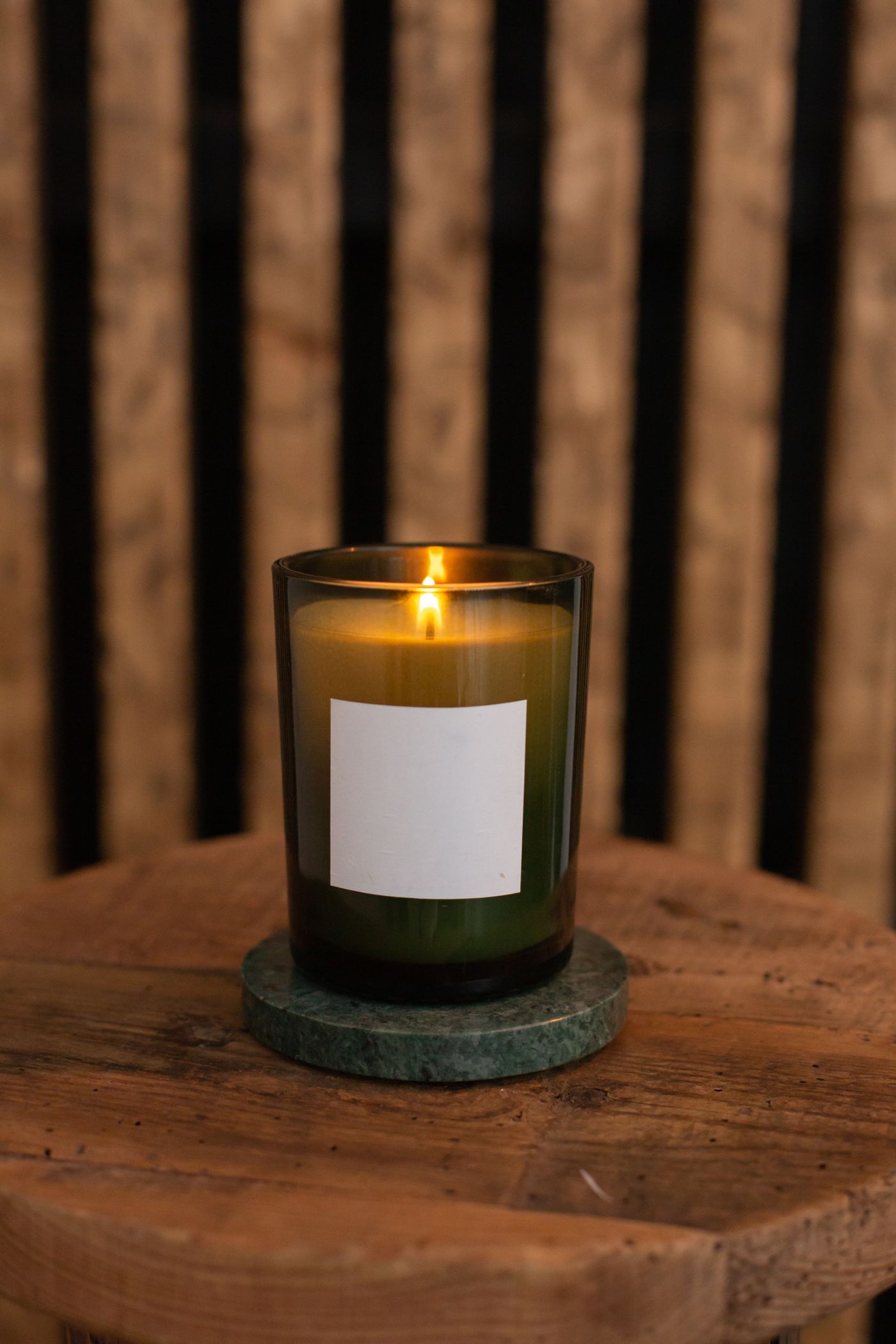
Inspect the cold candle first
Read the label before lighting, even if you use candles often. Check the stated maximum session length and stopping point, then keep those instructions with the candle. Look for chipped or cracked glass, a wick that has shifted far from the center, or debris on the wax. Do not light a damaged container.
The National Candle Association recommends keeping a candle wick trimmed to about 1/4 inch before burning, unless the product gives a stricter instruction. Trim only when the candle is cold. Remove the loose clipping so it cannot fall into the wax, and do not pull or twist the wick.
Choose a clear, stable place
Set the candle on a stable, heat-resistant surface where it cannot be knocked over. Keep it out of drafts and away from vents, fans and busy walkways. The National Candle Association advises at least 12 inches of clearance from anything that can burn. More room may be appropriate around curtains, shelves or seasonal greenery.
Never leave a burning candle unattended, and never burn one while sleeping. Keep it away from children and pets. A quiet corner is only suitable when you can still see and monitor the flame.
Plan the first burn without forcing it
A first session can help establish an even melt pattern, but it is not a reason to exceed the label’s time limit. Let the candle burn only while you can supervise it and only within the maker’s stated maximum. If the wax has not reached the edge by that point, extinguish it anyway.
The aim is a steady, manageable flame—not an empty glass at any cost. A first burn does not guarantee perfect performance for the life of the candle, because wick behavior and wax conditions can change between sessions.
What tunneling means
Tunneling is the deep channel that can form when the center melts while a ring of wax remains around the edge. Repeated very short sessions can contribute, but tunneling is not always the customer’s fault. Wick size, wax formulation, fragrance and vessel diameter can also influence the melt pool.
Avoid internet fixes that place the candle in an oven or microwave, or wrap it in foil to trap extra heat. Those methods can overheat wax or glass and create new hazards. If tunneling persists despite following the label, stop using the candle and contact the seller with a photograph and the details of how it was burned.
During and after each session
Watch for a flame that becomes unusually high, flickers continuously or produces persistent visible smoke. Extinguish the candle if that happens, let it cool completely and check the wick and surroundings before deciding whether it is suitable to relight. Stop immediately if the glass is damaged.

Use an appropriate method to extinguish the flame and avoid splashing hot wax. Do not move the jar while the wax is liquid. Once it is fully cool, remove loose wick debris, check the glass again and prepare the wick for the next session.
Frosting is usually cosmetic
Pale crystalline areas can appear on soy-based wax. This is commonly called frosting and is generally a cosmetic characteristic of vegetable wax. It does not describe every white mark, crack or deposit, so use the product instructions and ask the seller when the appearance is unclear.
Frosting should not be “fixed” by overheating the candle. Store the candle at a moderate, stable temperature and protect it from strong direct light when it is not in use.
A simple repeatable care routine
Before each session: read the label, inspect the glass and wax, and trim the cooled wick if needed. While burning: keep the candle attended, clear of combustibles and within the stated session limit. Afterward: extinguish it safely, leave it in place until the wax is solid, then remove loose debris.
When giving a candle, leave its safety label attached and include the maker’s instructions rather than replacing them with a homemade rule card. If you are still deciding what material description to look for, read our guide to soy wax and wax blends.
Frequently asked questions
Can I leave a candle burning all evening? Only if the full session remains within the candle label’s limit and you attend it continuously; otherwise extinguish it and let it cool. Can I burn it while sleeping? No.
Is tunneling always my fault? No. Short sessions may contribute, but formulation, wick and vessel also matter. Should I burn every bit of wax? No. Stop at the maker’s stated stopping point. Total estimated burn time is the sum of suitable sessions, not one continuous burn.
Sources and further reading
BEFORE YOU ORDER
Read our shipping policy and returns and refunds information, or contact us with a question about a gift.