FRAGRANCE GUIDE
How to Choose a Candle Scent for Your Home
The label looks lovely. The name sounds like a place you would like to visit. But would you actually enjoy the scent on an ordinary Tuesday? Buying a candle online means choosing without smelling it first.
By North & Noel Editorial Team · Published
Begin with scents you already know
Think about a soap, fragrance, plant, tea or candle you already enjoy. Write down two or three preference words before browsing: “fresh rather than sweet,” “dry wood, not smoke,” or “soft floral, not powdery.” A short contrast is more useful than trying to name one perfect ingredient.
Product names create atmosphere, but fragrance notes provide the practical information. Read from the opening notes through the deeper base notes where those are supplied. When shopping online, look for enough detail to imagine the direction without expecting a screen to reproduce the finished scent.
Four useful scent directions
These four directions are a starting tool, not a scientific classification. Fragrances often cross categories: citrus can brighten a woodsy blend, floral notes can soften an aquatic one, and vanilla can round out spice without making the result dessert-like.
| DIRECTION | NOTES TO LOOK FOR | QUESTION TO ASK |
|---|---|---|
| Fresh | Citrus, airy, aquatic or clean notes | Bright citrus or something softer? |
| Floral | Specific flowers, delicate petals or floral blends | Light and transparent or a fuller perfume? |
| Woodsy | Cedar, sandalwood, forest, dry wood or smoke | Dry wood, green branches or smoky warmth? |
| Sweet or spiced | Vanilla, warm spices, baked fruit or balsamic notes | Gently warm or openly dessert-like? |
Translate notes into an everyday mood
Fresh scents can suit mornings, workspaces or times when you want the room to feel clear rather than cozy. Floral blends range from barely there to richly perfumed. Woodsy scents may feel dry and architectural, green and outdoorsy, or smoky and fireside. Sweet and spiced scents tend to read as warmer and more seasonal.
Room names are suggestions, not rules. The same woodsy fragrance can feel focused in a study and comforting in a living room. Avoid assuming that a larger room automatically needs a stronger fragrance; ventilation, sensitivity and personal preference matter, and the product listing may not provide tested room-size guidance.
Read North & Noel scent notes literally
Blue Hour Fjord is listed with Sea Salt, Ozone, Jasmine, Lily of the Valley, Green Leaves, Wood and Tonka Bean. That places it between fresh, floral and softly woody rather than in only one category. Christmas Warmth combines Orange Spice, Fir, Pine and Smoky Fireplace, making its festive, woodsy direction clearer.
Clean Cotton lists Cotton Blossom, Lemon, Linen, Powder, Sandalwood and Violet. Cinnamon Vanilla lists Cinnamon, Vanilla and Gurjun Balsam. Apple Harvest adds apple, nutmeg, clove, orange and cedarwood, while White Sage and Lavender combines herbal, floral and woody notes. These are the fragrance descriptions currently shown in the candle collection; they are not claims about scent strength in a particular room.
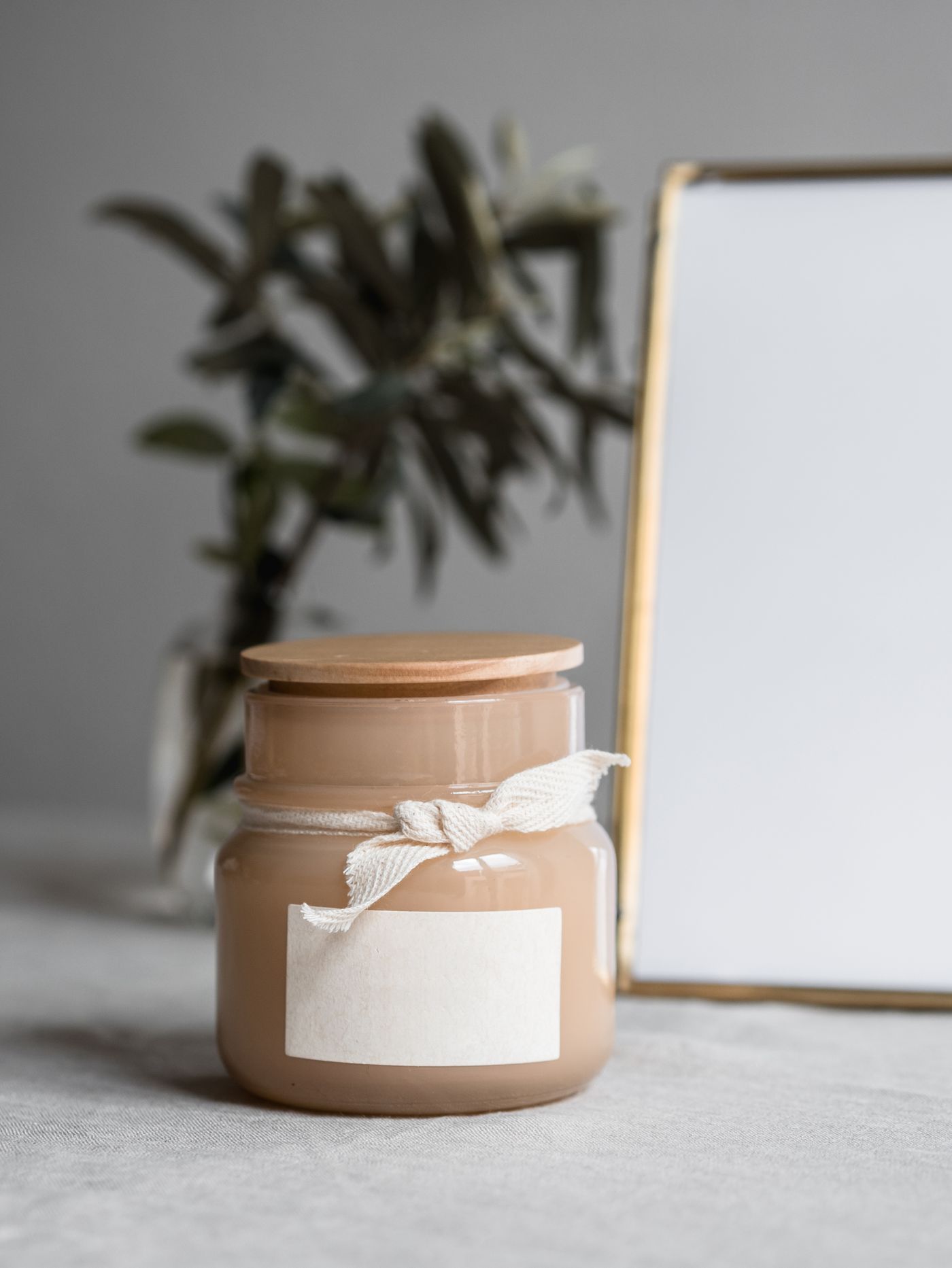
The Blue Hour Fjord image below is a North & Noel product mockup. It shows the label design and jar presentation, not the fragrance itself or a photograph of the candle burning in a home.
NORTH & NOEL PRODUCT IMAGES

Choose for a room without overpromising
For a kitchen or dining area, some people prefer citrus, herbs or fruit-and-spice notes; others avoid fragrance around food entirely. In a bedroom or reading corner, softer floral, clean or wood notes may feel calmer. Treat these as preference prompts, not performance rules.
If anyone in the home is sensitive to fragrance, choose together or avoid a scented gift. Ventilate as appropriate, follow the candle instructions and stop use if the fragrance is uncomfortable. A candle should add to the room, not require someone to tolerate it.
How to choose a candle as a gift
Start with what the recipient already wears, cooks with or keeps at home. Someone who chooses unscented skincare may not want a strong sweet candle. A person who brings pine branches indoors may enjoy a forest direction, while someone who favors citrus soap may prefer a fresh blend.
When you do not know, choose a clearly described, moderate direction rather than the most unusual blend, and keep the gift receipt or return information available. The design can make the gift feel personal, but the recipient still has to live with the fragrance.
Compare descriptions, not wax colors
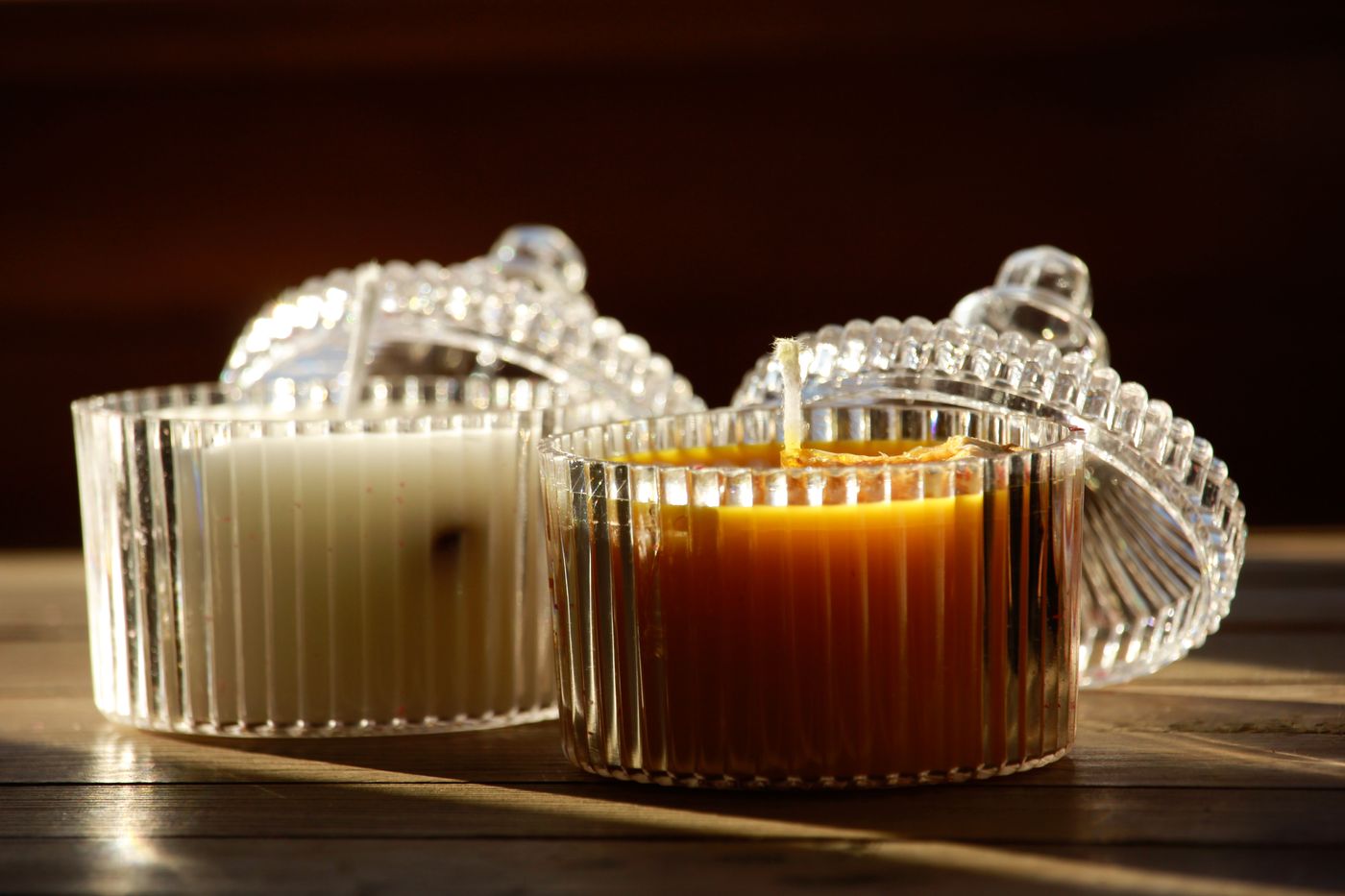
Wax and jar color can support a mood, but they do not reliably identify a scent. A white candle might be floral, clean, woodsy or unscented; an amber candle is not necessarily warm or spicy. Use the written notes and formulation details.
When two options remain, compare their most distinctive notes. Sea salt versus vanilla, green herbs versus baked fruit, or dry wood versus smoke will usually reveal more than two evocative product names.
Frequently asked questions
What is the safest blind-buy direction? There is no universal safest scent. Use the recipient’s known preferences and choose a listing with specific notes. Does “clean” mean unscented? No; clean-style fragrances can include cotton, citrus, powder, floral and wood notes.
Can I judge fragrance strength online? Not precisely unless the seller publishes relevant testing, and North & Noel does not claim tested room coverage. Should I choose by season? Only if that helps you. Pine and spice may feel festive, while fresh or floral notes can work year-round. Your ordinary Tuesday is the better test.
Sources and further reading
BEFORE YOU ORDER
Read our shipping policy and returns and refunds information, or contact us with a question about a gift.