CANDLE GUIDE
Soy Candle Benefits: Wax Blends & Buying Guide
Soy candles appeal to people who want a plant-derived wax, a fragrance they enjoy and a candle they can use regularly at home. The soy label is a useful starting point. To choose well, it helps to look at the wax blend, the scent, the expected burn time and the instructions on the jar too.
By North & Noel Editorial Team · Published
What soy wax is
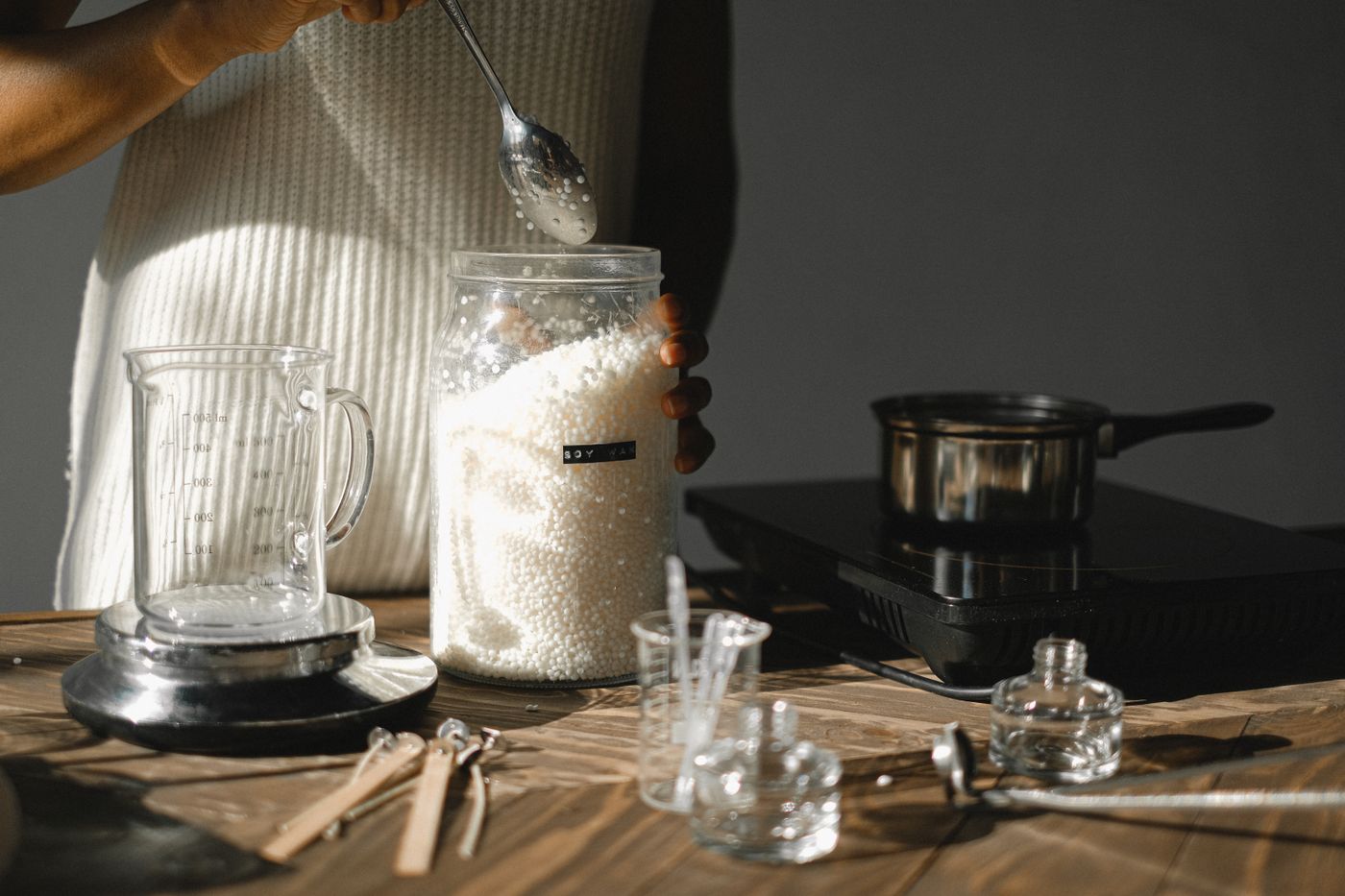
Soy wax is made from processed soybean oil. The oil is refined and hydrogenated so that it becomes a solid wax suitable for candle making. That plant-derived origin is a material fact, but it does not by itself describe every ingredient in a finished candle or prove that the whole product has a lower environmental impact.
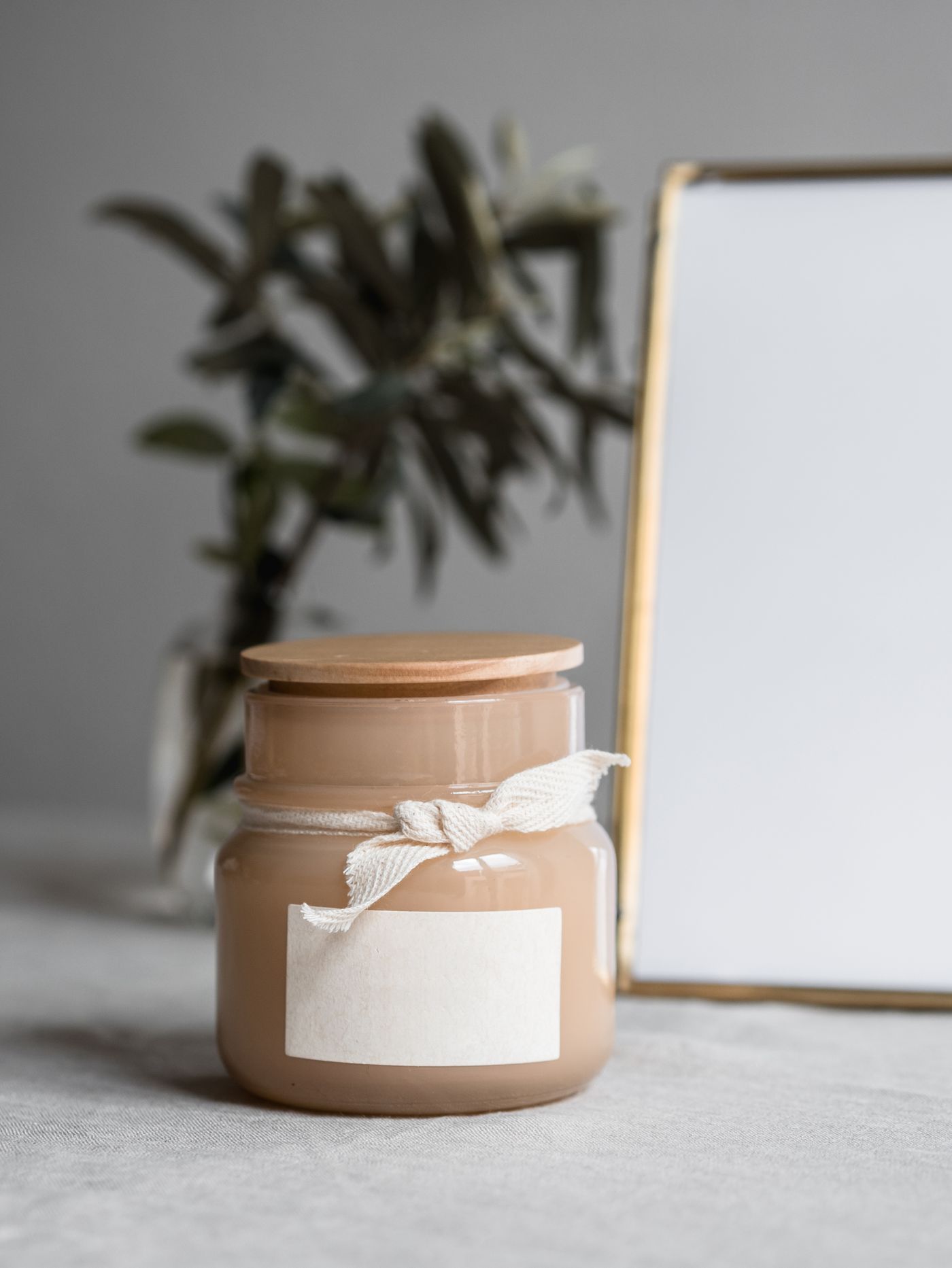
A finished candle also includes a wick, fragrance and colorants where used, plus a container, label and packaging. Farming, processing, transport and disposal all matter when considering environmental claims. A clear product listing should therefore say what it can verify rather than letting one familiar word carry every claim.
Potential benefits, with useful qualifications
People often choose soy-based candles because the wax begins with a renewable crop rather than petroleum. Soy wax can also have a lower melting point than some other candle waxes. In a controlled 2002 study, the experimental soy-wax candles burned more slowly than the comparison candles used by those researchers. That result is interesting, but it is not a universal promise about every candle sold today.
Burn time depends on the complete candle system: wax formulation, fragrance load, wick, jar diameter, manufacturing quality and use. A carefully designed blend may perform better than a poorly matched candle marketed with a more appealing ingredient headline. Compare the listed wax, actual wax quantity, estimated total burn time and care instructions rather than assuming one material guarantees the outcome.
What “soy wax blend” means
A soy wax blend contains soy-derived wax together with one or more other waxes or oils. The additional material may be used to improve scent release, appearance, adhesion to the jar or performance in a particular climate. The phrase does not reveal the percentage of soy wax unless the maker provides that information separately.
North & Noel candle listings use the description “soy wax blend,” not “100% soy.” Blue Hour Fjord currently lists a soy wax blend, a cotton wick, 9 oz (255 g), a glass jar and an estimated total burn time of 50–60 hours. The listing does not state the blend percentage, so this guide does not infer one.
Soy and paraffin: look beyond the headline
Soy wax begins with processed plant oil; paraffin wax is refined from petroleum-derived feedstock. That distinction is real, but it does not answer every buying question. Either material can be part of a candle that is well or poorly formulated, strongly or lightly scented, carefully or carelessly packaged.
Avoid treating “soy” as shorthand for soot-free, pure, vegan or automatically sustainable. All flames can produce soot when combustion is incomplete, and the whole formulation matters when checking whether a product meets a vegan preference. Precise descriptions are more useful than broad claims.
Choose fragrance and burn time separately
Start with scent notes you already enjoy in soap, fragrance or another candle. Fresh, floral, woodsy and sweet or spiced are practical starting directions. Then read the specific notes. Sea salt and orchid can include airy, floral and woody facets; Christmas Warmth combines orange spice, fir, pine and a smoky fireplace note. A poetic product name alone cannot tell you which one you will prefer.
An estimated 50–60 hour burn time describes the expected total across many sessions, not permission to burn a candle continuously for that long. Each session must stay within the maker’s label instructions. For a practical routine, continue with our candle care guide; for online fragrance choices, use our guide to choosing a candle scent.
Frosting and other normal variations
Soy wax can develop pale crystalline patches often called frosting. CandleScience describes frosting as a natural effect associated with vegetable waxes. It is usually cosmetic rather than evidence that a candle is unsafe or unusable, although not every pale mark on a candle can be diagnosed from appearance alone.
Temperature changes and time may alter a candle’s surface. Check the jar and wick before use, follow the label, and contact the seller if the glass is damaged, the wick has shifted significantly or the candle behaves unusually.
Five things to check before buying
First, look for a specific wax description: soy wax, soy wax blend or another clearly named formulation. Second, read the fragrance notes rather than relying only on the product name. Third, confirm the actual wax quantity, because jar volume and net wax weight are not interchangeable measurements.
Fourth, treat estimated burn hours as a comparison point rather than a guarantee. Fifth, find the maker’s care and safety instructions before lighting. Together, these checks tell you more than an unqualified “natural” or “clean” label.
Frequently asked questions
Are all soy candles pure soy? No. A soy blend may contain other waxes or oils, and the phrase does not disclose a percentage. Do soy candles always last longer? No. Wax, wick, fragrance, vessel and use all affect burn time.
Are soy candles automatically vegan? Not necessarily; check the whole formulation and the maker’s statement. Are they soot-free? No candle flame is guaranteed soot-free. Correct wick care and a well-matched candle can support a steadier burn, but visible smoke should never be ignored.
Sources and further reading
BEFORE YOU ORDER
Read our shipping policy and returns and refunds information, or contact us with a question about a gift.